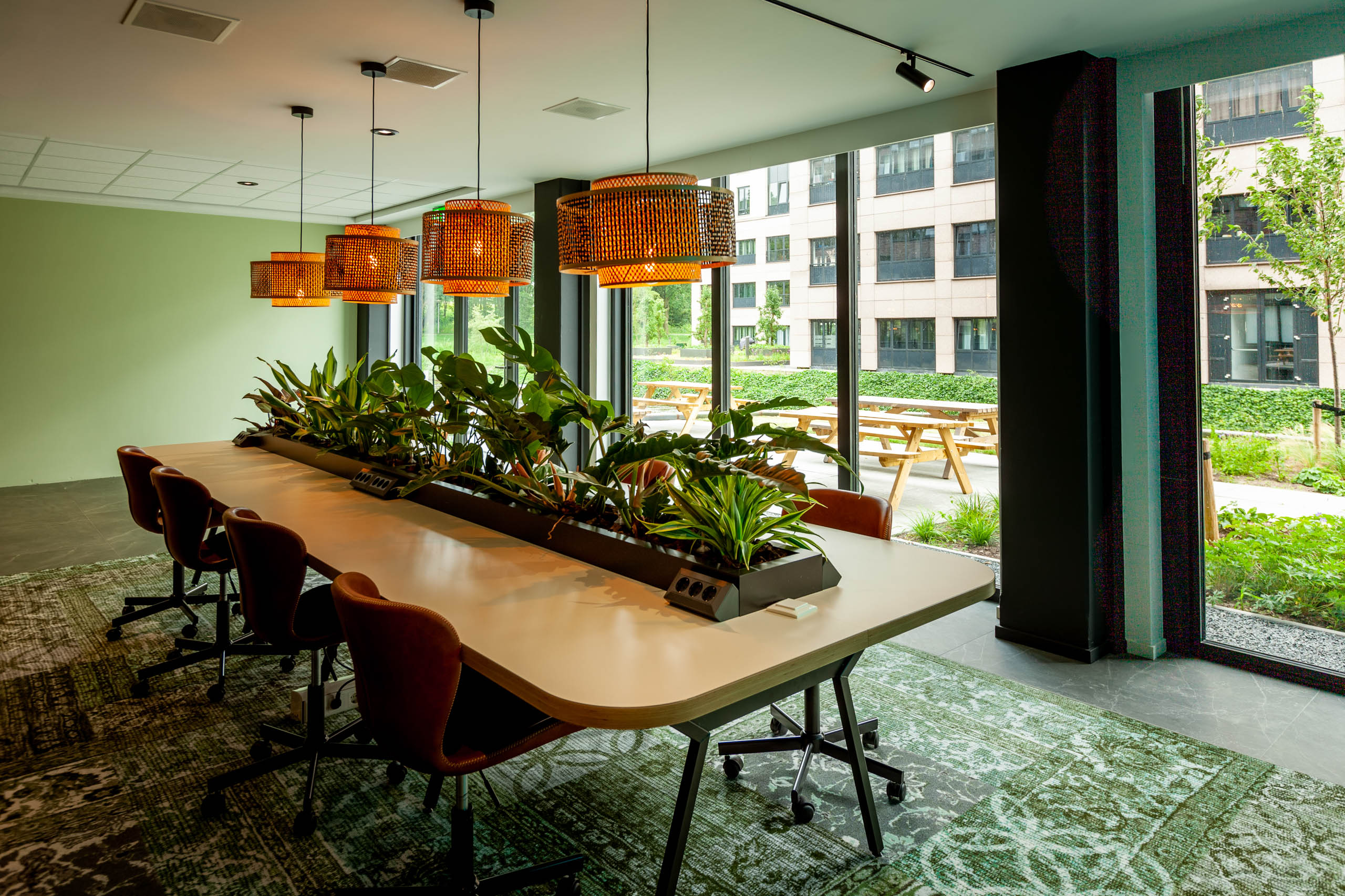
Sustainability at the AHTC Campus

Sustainability forms a core principle of the AHTC Campus. With a future-focused approach, we are fully committed to energy efficiency, wellbeing, and social responsibility. Our ESG (Environmental, Social & Governance) policy is actively monitored and continuously optimized in collaboration with our specialized partners.

AHTC Partners

Together with Healthy Workers, we monitor and actively manage energy consumption. This allows us to track water, gas, and electricity usage in real time.

By working closely with campus management and technical installers, we can directly optimize operations on a daily basis. This real-time monitoring is one of the most impactful steps towards sustainability, as it reduces waste to nearly zero.

We partner with Longevity as our dedicated ESG advisor. Longevity plays a vital role in measuring, validating, and reporting on our sustainability performance.

With their insights, we continuously improve across the full ESG spectrum ranging from ecological impact and energy use to social initiatives and governance standards.

Sustainable improvements
Green energy

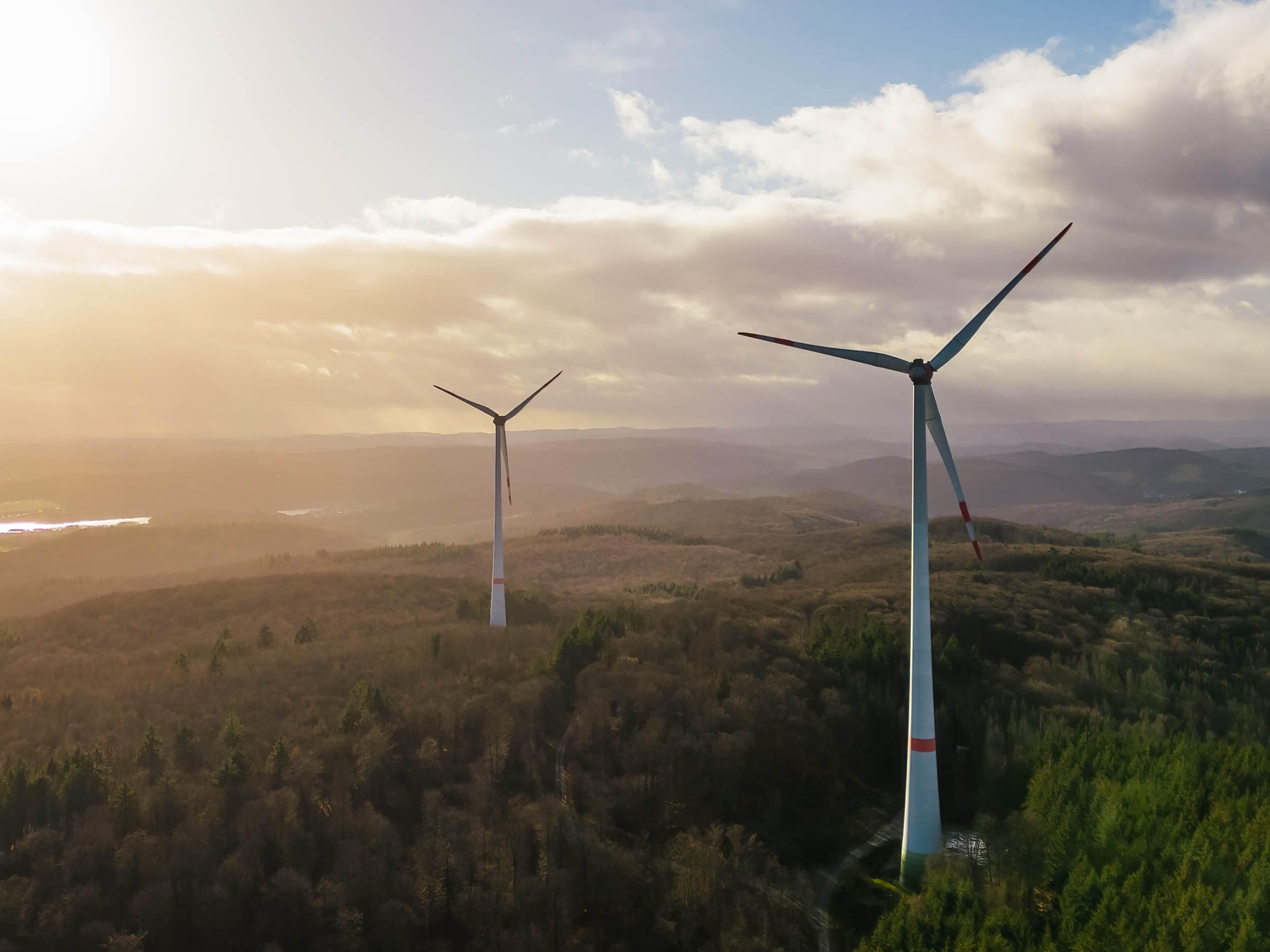
All purchased electricity for the Campus is sourced from certified European wind energy.

Sustainable mobility

The campus is directly connected to Amsterdam Holendrecht station, with train, metro, and bus services offering direct links to Amsterdam Central and Utrecht Central. More than 10% of all parking spaces are equipped with EV charging stations, with further expansion underway. A Shared Mobility Hub is also being developed to facilitate car-sharing concepts at the heart of the campus.

Top energy labels

All campus buildings have achieved energy label A or better (except those under development), placing them in the highest category and well above legal requirements.

Local entrepreneurship

In the Frances building, a local entrepreneur operates an à la carte Lunch and Dinner restaurant at a reduced rent, fostering vibrancy and supporting the local economy.

Cycling facilities

Every building includes bicycle parking, charging points for e-bikes, and repair stations to encourage sustainable commuting.

Healthy & sustainable food

Campus office restaurants are operated by FETCH, which focuses on healthy, locally sourced, and sustainably produced meals.

Social responsibility

The campus provides space to organizations such as 113 Suicide Prevention, supported by significant contributions from the landlord to ensure suitable housing for their vital work.

Smart energy management

All shared areas are equipped with LED lighting, significantly reducing energy consumption. Advanced monitoring systems provide real-time insights into energy use, enabling the campus team to continuously optimize performance.

Smart waste management

Waste separation and processing are carried out in collaboration with Milieu Service. Real-time analysis of waste streams makes it possible to track where waste arises, its volume, and type. This allows for targeted management and maximized reuse. In addition, residual waste is repurposed for energy recovery, ensuring that materials contribute to sustainable energy production rather than going to landfill.

Biodiversity initiatives

Plans are underway to introduce ecological green zones, creating habitats for insects, reducing heat stress, and improving water retention.

Efficient water use

Water consumption is actively managed, enabling immediate detection and prevention of leaks or unnecessary waste.

Sharefield facilities

Centralized meeting spaces reduce the need for underutilized office square meters, optimizing building efficiency.

Indoor climate monitoring

Sensors measure air quality and climate conditions across all buildings, ensuring optimal comfort and enabling rapid adjustments when needed.

Community spaces

Each building offers breakout areas and lobby spaces for relaxation, collaboration, or informal meetings.

On-site facility management

A dedicated team is always available for maintenance and repairs, reducing the need for external services and lowering CO₂ emissions.

Sustainability clauses

Many lease agreements include binding sustainability provisions.